One week. Fourteen countries. Sixteen events. Hundreds of lawyers, in-house counsel, bar associations, and civil society organisations came together this June for the 2026 European Pro Bono Week, and the message that emerged was unmistakable: pro bono is no longer a peripheral gesture. It is a core engine of access to justice, professional growth, and civic resilience across Europe.
The week opened with a launch event featuring eight speakers and more than 70 participants, setting the tone for this year’s theme: reinforcing pro bono ecosystems and building partnerships that last, across Europe. We’ve reflected on that opening session in more depth here. What follows below is a small selection of highlights from the national events held across the week.
Italy: A culture taking root
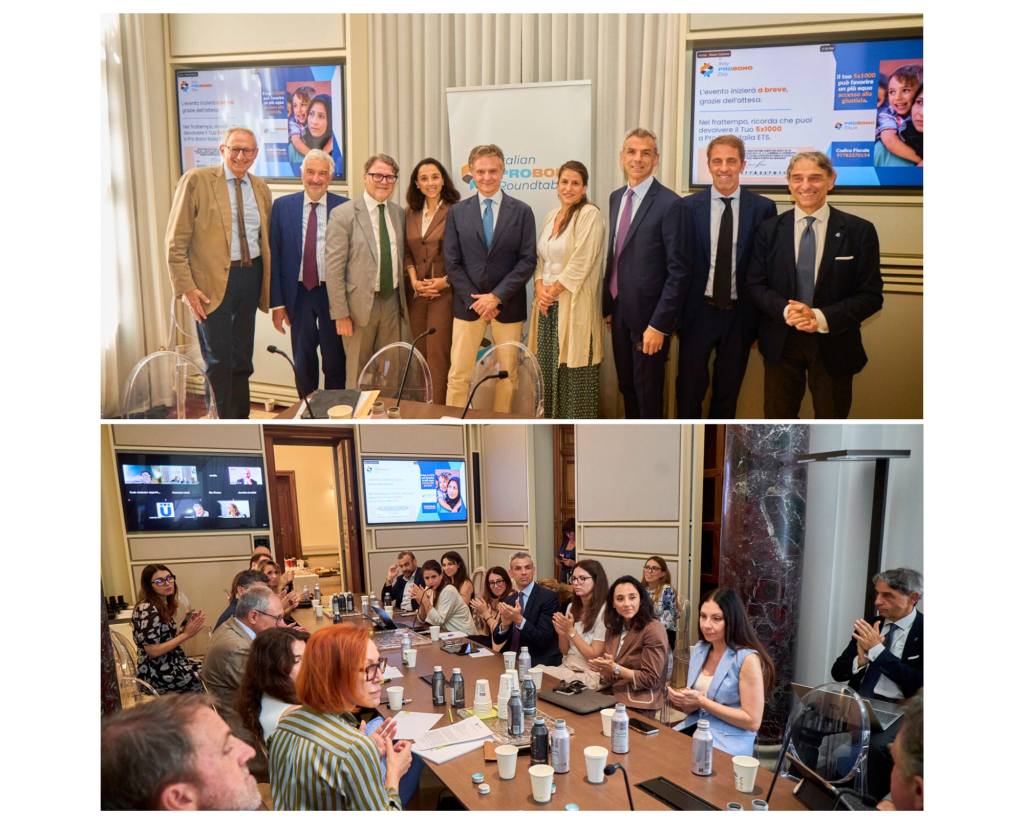
Hosted by Hogan Lovells Italy in Rome, the 9th Italy Pro Bono Day brought together 50 participants in person and online for what has become a landmark date on the national legal calendar.
Speakers including IBA President Claudio Visco, Rome Bar Council President Alessandro Graziani, AIGI President Giorgio Martellino, and Pro Bono Italia President Giovanni Carotenuto were united on one point: Italy needs to consolidate a genuine pro bono culture, one that channels qualified legal expertise toward those who need it most.
The 57th Italian Pro Bono Roundtable also gave a platform to new non-profit partners, spotlighting concrete initiatives like a position paper on the entry and mobility of foreign workers in Europe, and a Legal Health Check programme for civil society organizations. The takeaway: a virtuous collaboration between in-house counsel, the third sector, and private practice is no longer aspirational in Italy; it’s something already happening.
Ukraine: When demand outpaces the clock
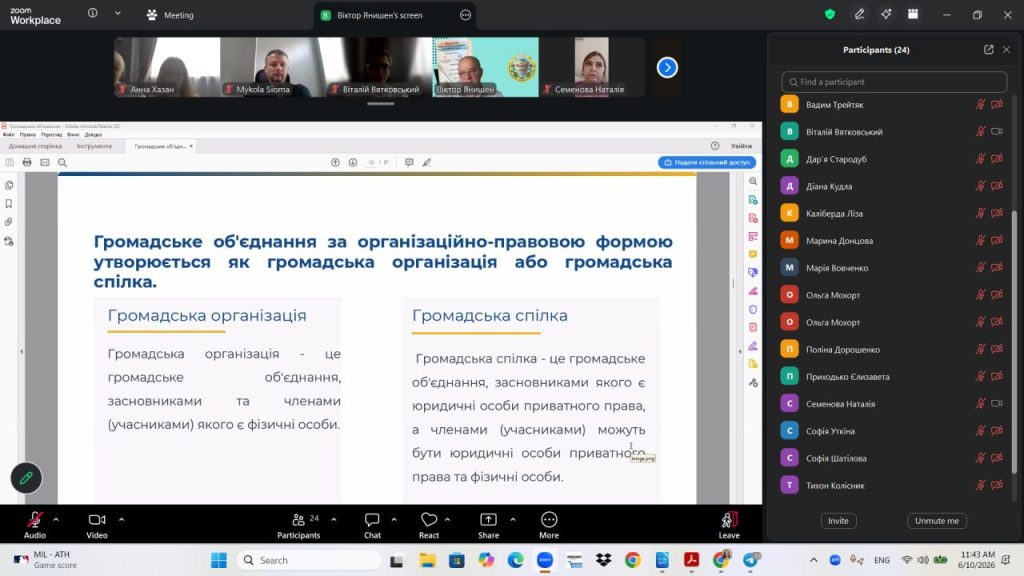
Perhaps the most striking story of the week came from the Charitable Organization Ukrainian Legal Aid Foundation. Their session on setting up a civil society organisation drew 34 participants, including military veterans, and generated far more questions than the format could hold.
Rather than let that momentum go to waste, a legal clinic stepped in after the event to address the unanswered questions through a dedicated analytical brief. And because the session ran online, participants could join from wherever they felt safest, proof that accessibility isn’t just about scheduling; it’s about meeting people where they are.
On our end, the event went really well, so well, in fact, that we received more questions than we could fit into a one-day session. — Ukraine
Czechia (DLA Piper, Prague): Law meets real life
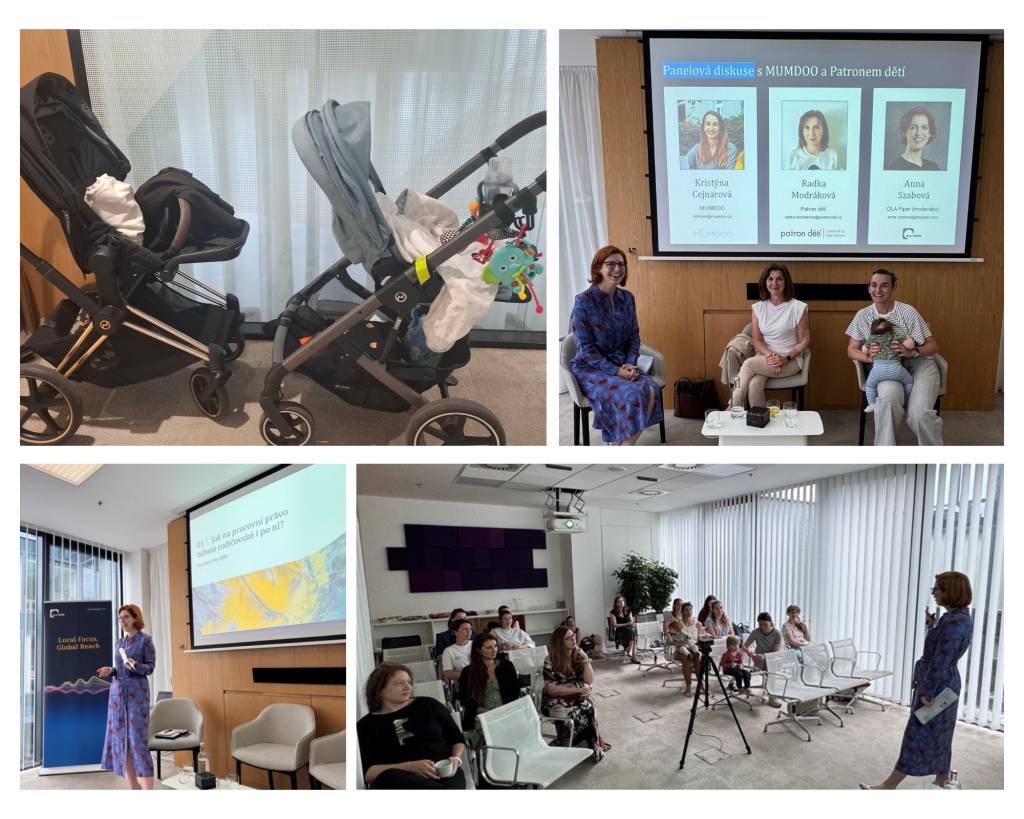
Nearly 100 participants turned out for a session focused on the practical realities of parental leave: employment rights, a confident return to work, and notably how to combine parental leave with launching a business or e-shop. It was a reminder that pro bono impact often lives in the granular, everyday questions families actually face. In order to accommodate participants, DLA offered childcare in the conference room next door during the event, making the session more accessible for parents of young children.
We felt support from the PILnet side; everything was clear… we would be glad to participate next year as well. — Czechia
Poland: Relationships Built to Last
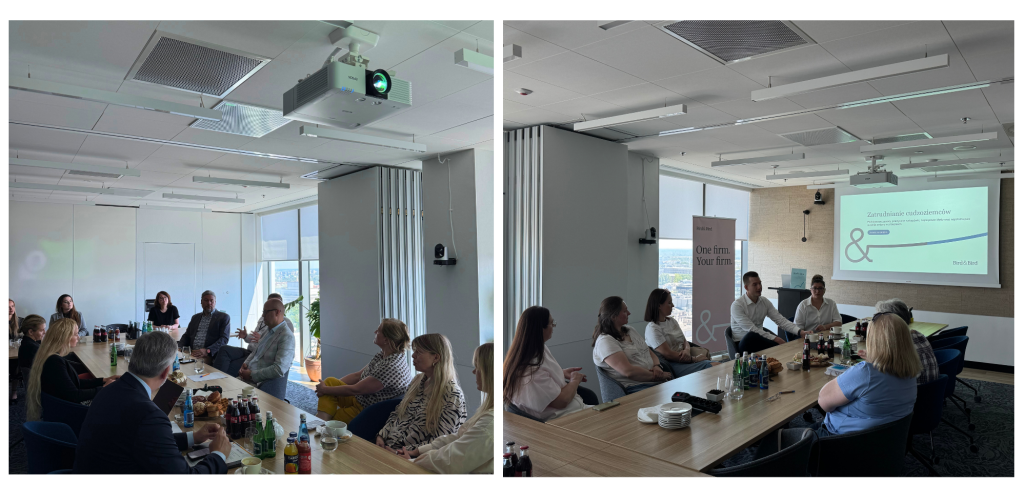
Centrum Pro Bono’s Roundtable (13 attendees) and accompanying legal seminar (7 attendees) may have been more intimate gatherings, but they delivered outsized results: two law firms new to the network attended, and one-to-one follow-up meetings were scheduled on the spot to deepen the partnership.
Our event went very well. We had a solid representation of pro bono lawyers during the Pro Bono Roundtable… one participant representing the Center for Reproductive Rights came from Düsseldorf, especially for the event! — Poland
Spain: Law as a bridge to health equity
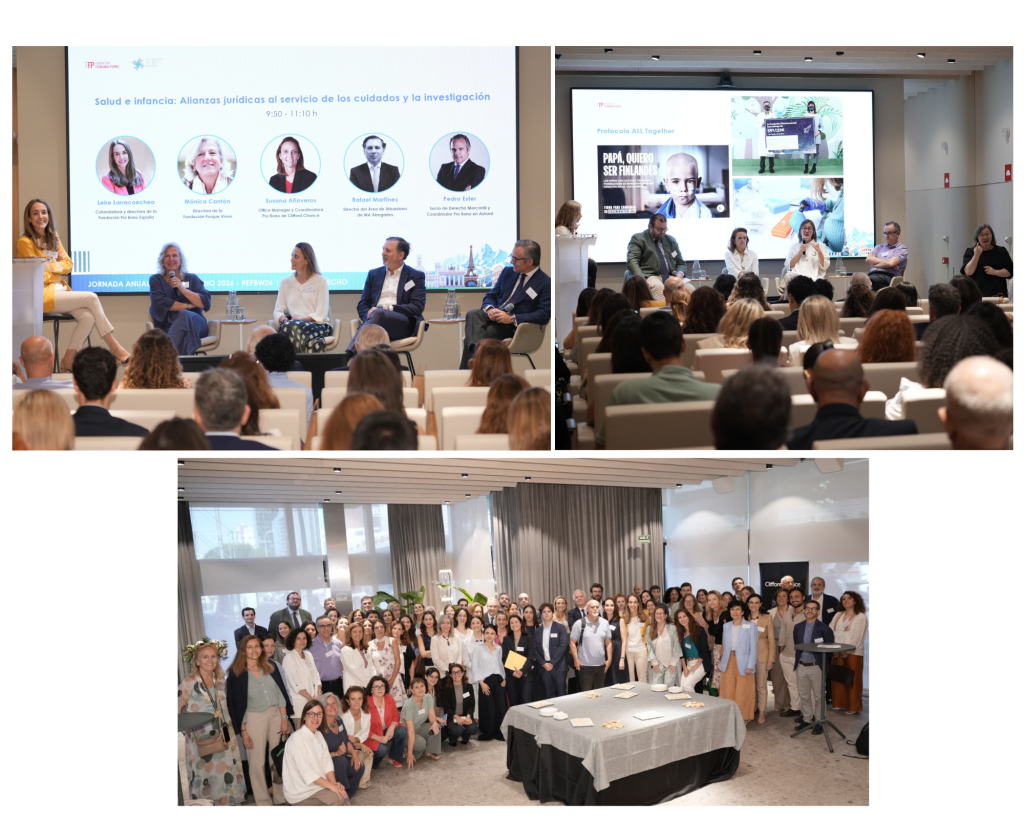
Fundación Pro Bono España convened 125 attendees, in person and online, to tackle legal challenges at the intersection of paediatric palliative care, childhood cancer, rare diseases, and HIV. The clear conclusion: today’s most pressing health-related challenges can only be met through sustained partnership between the legal profession, civil society, and academia.
Belgium: Pro bono goes institutional
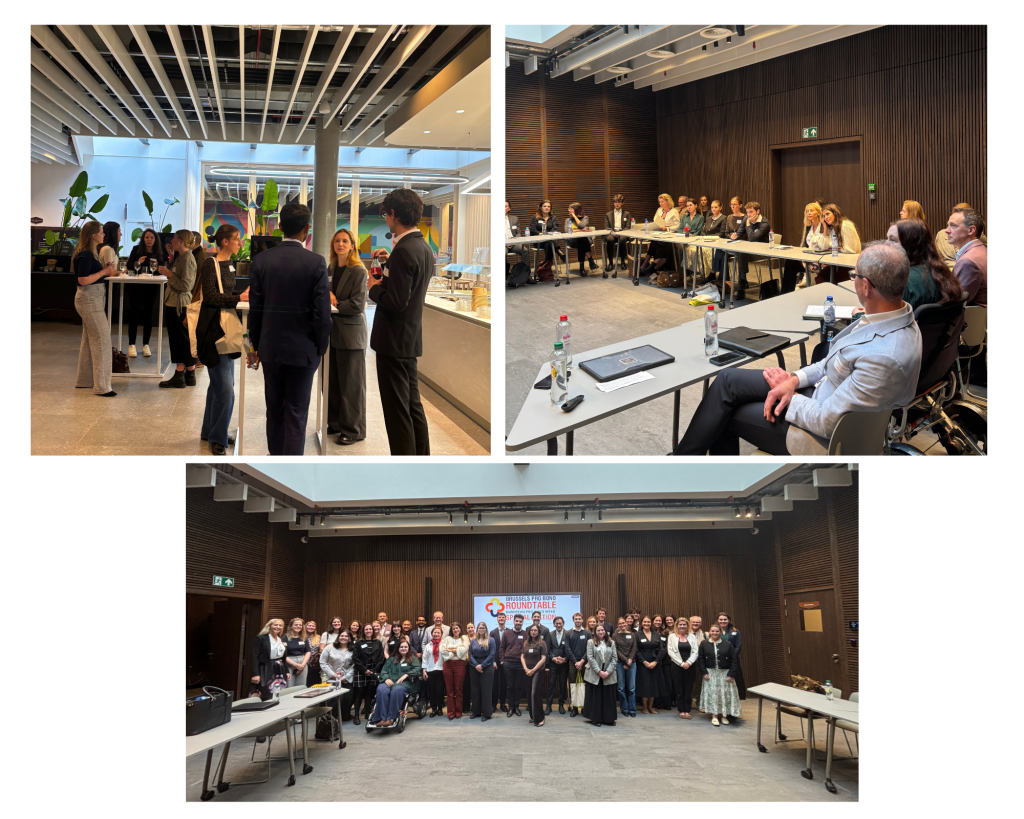
The 2026 Brussels Pro Bono Roundtable gathered 35 pro bono managers representing law firms, bar associations, clearinghouses, and the EU Commission around four defining themes:
- The Refugee Legal helpdesk as a model for structured access-to-justice partnerships
- The EUROVOICES initiative, using data and legal expertise to strengthen civic space
- Formal recognition of pro bono within the European Commission’s new Civil Society Strategy
- A proposed Belgian Pro Bono recognition list to celebrate individual lawyers’ contributions
Participants left calling for even more space for networking and interactive dialogue, a sign of appetite, not fatigue.
Germany (UPJ Pro Bono Rechtsberatung): Structure as Strategy
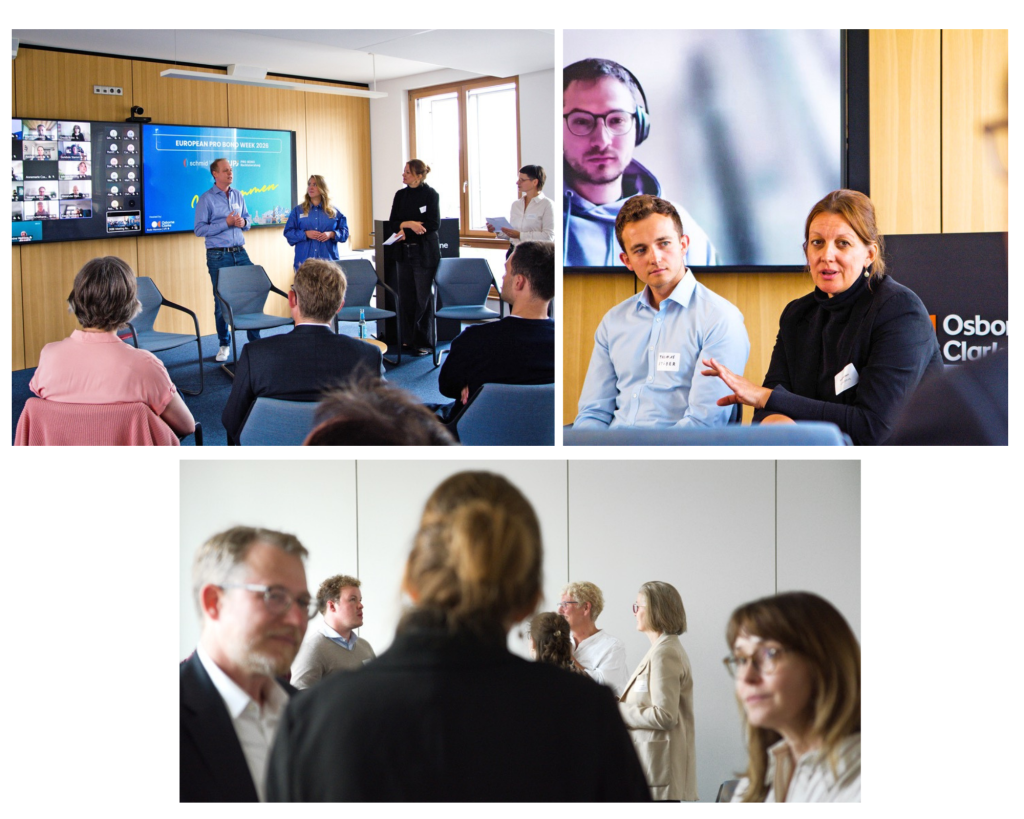
Across two days, 200 participants attended the day 1 event; 120 in-person (30 on-site) participants on day 2; the focus turned to leadership and organisational development inside nonprofits. The key insight: legal issues and structural challenges in the nonprofit sector are deeply intertwined, and addressing them requires pairing legal advice with organisational development expertise. Feedback was strongly positive, with participants citing new perspectives and practical inspiration for their own work.
Ireland: Access, Governance, and the Case for Pro Bono
Pro Bono Week Ireland was coordinated by PILA (a project of FLAC) together with the Law Society of Ireland and law firm partners A&L Goodbody, Arthur Cox, Addleshaw Goddard, Comyn Kelleher Tobin, Matheson, McCann FitzGerald, Philip Lee, and RDJ. The week ran three distinct sessions:
- DLA Piper — “Access to Justice in a Changing Landscape” paired the firm’s Dublin pro bono practitioners with voices from UNHCR Ireland, the Irish Refugee Council, and the Immigrant Council of Ireland to unpack the practical implications of the EU Pact on Migration & Asylum.
- A&L Goodbody — “Partnering for Impact: Law, Governance and Utilising Pro Bono” was aimed squarely at management teams in civil society organisations and social enterprises, with legal professionals covering charities governance, employment, data management, and the role of the company secretary.
- Law Society of Ireland & PILA closed out the week with a session on strengthening pro bono ecosystems through profession-wide collaboration, timed to the launch of PILA’s Pro Bono Pledge Ireland Impact Report 2025.
Between the three sessions, Ireland’s program touched on everything from frontline migration law to nonprofit governance to profession-wide strategy, a reminder that “pro bono week” can mean very different things depending on which room you’re in.
Slovakia: Can a Platform Fix the Matching Problem?
Dentons hosted a roundtable business breakfast built around one sharp question: could a shared IT platform create an effective, nationwide infrastructure for pro bono legal services in Slovakia? Plenty of firms and individual lawyers already provide free legal help, and third-sector organisations run their own well-established referral initiatives, but there’s still no common system for systematically matching supply with demand. Representatives of law firms, in-house teams, and NGOs used the session to explore what such a platform might look like in practice, including how to reach clients outside Bratislava and work around limited firm capacity.
France: From Innovation Hubs to Children’s Rights
Paris hosted two distinct sessions on June 10. The afternoon began with a visit to Handilab, an innovation hub dedicated to disability and autonomy that houses tech start-ups, NGOs, training programs, and cultural events, giving law firms a first-hand look at where pro bono collaboration could plug in. The evening turned to a panel on defending the legal rights of children, bringing together NGOs working in child protection with the pro bono lawyers who support them, followed by a drinks reception.
Netherlands: Two Ways to Start a Pro Bono Conversation
Pro Bono Connect ran a double bill on June 10. The morning session, hosted with De Brauw, brought law firms and NGOs together to share best practice on Dutch pro bono work. The afternoon workshop, hosted with DLA Piper, was built for lawyers who are curious about pro bono but not sure where to begin, featuring a pro bono coordinator, a pro bono lawyer, and a pro bono client sharing practical tips and personal reflections.
Northern Ireland: A Belfast Seminar on the Power of Pro Bono
Public Interest Litigation Support hosted an in-person lunchtime seminar in Belfast, with 2025 LawWorks Pro Bono Award winner Naga Kandiah as keynote speaker. The event combined a Q&A with lunch and networking, giving Northern Ireland’s legal community a dedicated moment to focus on pro bono during the week.
Romania: Teaching Digital Rights to the Next Generation
In Sinaia, Dentons launched “Dentons Next: Rights from the Start,” a closed-door event introducing the initiative supported by the Romanian Diversity Chamber of Commerce, aimed at improving legal literacy among children, parents, and teachers. Sessions covered online safety, children’s rights, GDPR for minors, cyberbullying, and digital fraud under Romanian and EU law. The programme also introduced the InKlusive App, a new digital tool built to support reporting, awareness, and safe access to guidance in cases of online harm.
Hungary: One-on-One Help, at Scale
On June 12, PILnet ran its now-established “Pro Bono Friday,” a day of one-on-one online consultations pairing Hungarian civil society organisations and social enterprises with lawyers on topics like tax, data protection, employment, contracts, and real estate. Sessions ran in pre-scheduled half-hour slots, open to any nonprofit eligible for PILnet’s Clearinghouse services, a small-scale but high-touch way of getting legal support directly to the people who need it.
European Pro Bono Week 2026 confirmed what organisers set out to prove: pro bono ecosystems are strongest when they’re connected. From a legal clinic picking up where a Ukrainian session left off, to European Commission representatives engaging in a dialogue with the pro bono community, in line with its recognition of pro bono within its Civil Society Strategy — a shift PILnet has called a turning point for pro bono in Europe, to Italian and Polish firms forging new partnerships on the spot, the week didn’t just showcase pro bono work. It showed a network in motion, building on itself, country by country.